
Mastering Calmness for Effective Decision Making and Peak Performance
In high-pressure situations, the ability to remain calm is a crucial skill that can significantly impact decision-making and overall performance. Whether you are an athlete, a business professional, or a student, staying calm under pressure allows you to think clearly, make informed decisions, and achieve optimal results. This blog post will explore the importance of remaining calm, strategies to cultivate this skill, and how it can lead to success in various aspects of life.
“Nothing can bring you peace but yourself.” – Ralph Waldo Emerson
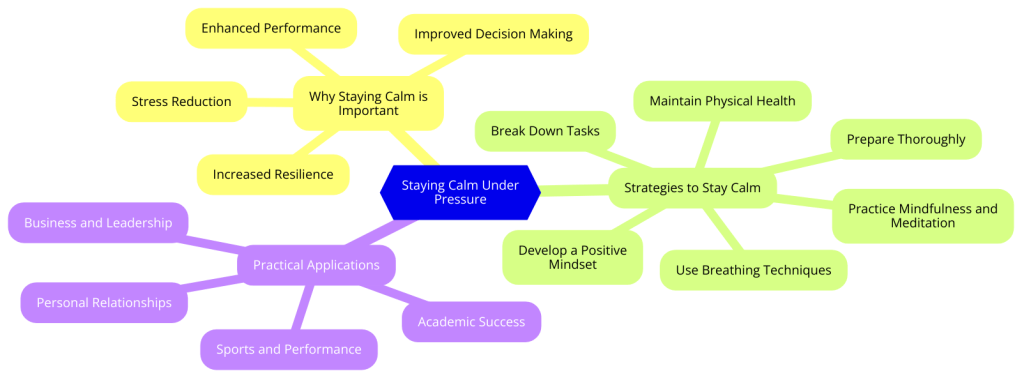
Why Staying Calm Under Pressure is Important
- Improved Decision Making: High-pressure situations often require quick and effective decisions. Staying calm allows you to assess the situation objectively and make rational choices.
- Enhanced Performance: When you are calm, your mind and body function more efficiently, leading to better performance in tasks, whether physical or mental.
- Stress Reduction: Chronic stress can have detrimental effects on your health. Remaining calm helps mitigate stress and its negative impacts.
- Increased Resilience: Calmness under pressure builds resilience, enabling you to bounce back from setbacks and handle future challenges more effectively.
Strategies to Stay Calm Under Pressure
1. Practice Mindfulness and Meditation
Mindfulness and meditation techniques can help you stay present and focused, reducing anxiety and enhancing your ability to remain calm. Regular practice can train your mind to handle stress more effectively.
2. Develop a Positive Mindset
Cultivate a positive attitude towards challenges. Viewing high-pressure situations as opportunities for growth rather than threats can help you stay calm and composed.
3. Prepare Thoroughly
Preparation is key to confidence. The more prepared you are, the less likely you are to feel overwhelmed. This applies to exams, presentations, competitions, and other high-stress scenarios.
4. Use Breathing Techniques
Deep breathing exercises can help activate your parasympathetic nervous system, promoting relaxation and reducing stress. Techniques such as diaphragmatic breathing or the 4-7-8 method are effective tools.
5. Maintain Physical Health
Regular exercise, a healthy diet, and adequate sleep are essential for managing stress. Physical well-being supports mental resilience, making it easier to stay calm under pressure.
6. Break Down Tasks
Large tasks can seem daunting and increase stress. Breaking them down into smaller, manageable steps can make them feel less overwhelming and help you maintain your composure.
Practical Applications of Staying Calm
1. Business and Leadership
In the business world, leaders who remain calm under pressure are better able to make strategic decisions, manage crises, and inspire confidence in their teams. This can lead to improved organizational performance and morale.
2. Sports and Performance
Athletes who master the art of staying calm can perform at their peak even in high-stakes situations. This mental toughness is crucial for achieving success in competitive sports.
3. Academic Success
Students who can stay calm during exams and deadlines are more likely to perform well academically. Stress management techniques can enhance focus, memory, and problem-solving abilities.
4. Personal Relationships
Calmness in interpersonal interactions allows for better communication, conflict resolution, and relationship building. It helps you respond thoughtfully rather than react impulsively.
“You have power over your mind – not outside events. Realize this, and you will find strength.” – Marcus Aurelius
Practical Tips and Real-Life Examples
Enhance Interpersonal Skills: Mastering Emotional Intelligence
Developing emotional intelligence can improve your ability to stay calm and manage stress in relationships. (Refer to our post on Enhance Interpersonal Skills)
Beginner’s Guide to Starting a Meditation Practice: Reduce Stress and Improve Focus
Incorporate meditation into your routine to cultivate calmness and resilience. (Refer to our post on Beginner’s Guide to Starting a Meditation Practice)
Discover the Benefits of Minimalism: Simplify Your Life & Reduce Stress
Adopting minimalist principles can help reduce stress and promote a calm, focused mindset. (Refer to our post on Discover the Benefits of Minimalism)
Conclusion
Remaining calm under pressure is a vital skill that enhances decision-making, performance, and overall well-being. By practicing mindfulness, maintaining a positive mindset, and preparing thoroughly, you can cultivate calmness and resilience in the face of stress. Embrace these strategies to navigate high-pressure situations with confidence and achieve your best results.








 Escape the Race
Leave a reply to Turning Rejection into Opportunities: Building Resilience and Personal Growth – Escape the Race Cancel reply