
Master the Art of Emotional Intelligence to Enhance Your Relationships and Career
Emotional intelligence (EI) is the ability to understand, manage, and utilize emotions effectively in interactions with others. Improving your emotional intelligence can significantly enhance your interpersonal skills, leading to better relationships and greater success in your personal and professional life. This blog post will explore the key components of emotional intelligence and provide practical steps to improve your EI.
“When dealing with people, remember you are not dealing with creatures of logic, but creatures of emotion.” – Dale Carnegie
Why Emotional Intelligence Matters
- Better Relationships: Enhance your ability to connect with others and build strong, healthy relationships.
- Career Success: EI is a critical factor in leadership and workplace success.
- Mental Health: Improve your self-awareness and emotional regulation, leading to better mental health.
- Conflict Resolution: Effectively manage and resolve conflicts with empathy and understanding.
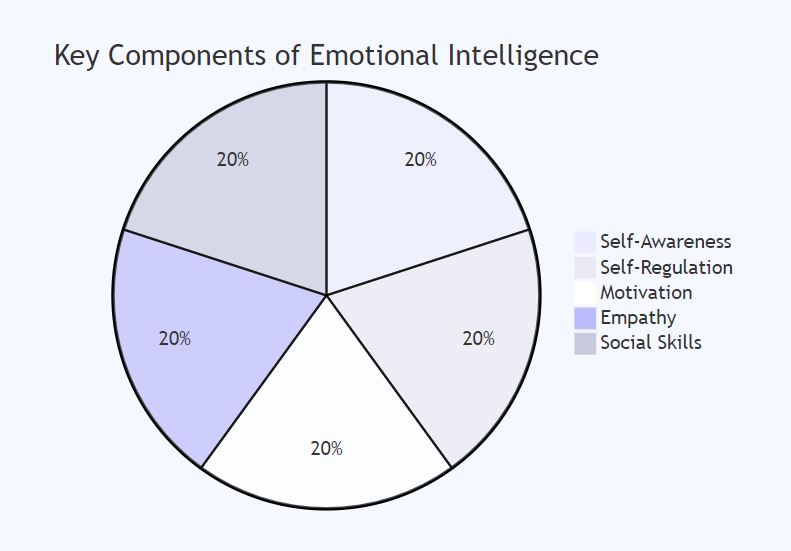
Key Components of Emotional Intelligence
1. Self-Awareness
Understanding your own emotions, strengths, and weaknesses. Self-awareness allows you to recognize how your emotions affect your thoughts and behavior.
2. Self-Regulation
The ability to control or redirect disruptive emotions and impulses. Self-regulation helps you manage stress, stay in control, and adapt to changing circumstances.
3. Motivation
Intrinsic motivation drives you to achieve goals for personal satisfaction rather than external rewards. This component is crucial for staying focused and persistent.
4. Empathy
Understanding and sharing the feelings of others. Empathy helps you connect with people on a deeper level and respond to their needs effectively.
5. Social Skills
Proficiency in managing relationships and building networks. Social skills include effective communication, conflict resolution, and teamwork.
Steps to Improve Your Emotional Intelligence
1. Practice Self-Reflection
Take time to reflect on your emotions and how they influence your actions. Journaling can be a helpful tool for self-reflection.
2. Manage Stress
Develop healthy coping mechanisms for stress, such as exercise, meditation, or hobbies. Managing stress is essential for maintaining emotional balance.
3. Cultivate Empathy
Make a conscious effort to understand others’ perspectives. Practice active listening and show genuine interest in their feelings and experiences.
4. Improve Communication Skills
Work on clear and effective communication. Use “I” statements to express your feelings and needs without blaming others.
5. Seek Feedback
Ask for constructive feedback from friends, family, or colleagues to gain insights into your emotional intelligence and areas for improvement.
6. Set Goals
Set specific, measurable goals to improve your EI. Focus on one area at a time, such as enhancing your empathy or managing stress better.
“People will forget what you said, people will forget what you did, but people will never forget how you made them feel.” – Maya Angelou
Practical Tips and Real-Life Examples
Overcome Narcissistic Abuse: Practical Steps for Healing and Recovery
Understanding emotional intelligence can aid in healing from narcissistic abuse. Developing self-awareness and empathy helps rebuild self-esteem and establish healthy relationships. (Refer to our post on Overcome Narcissistic Abuse)
Comprehensive Guide to Retirement Planning: Steps for a Secure Future
Effective communication and empathy are crucial when discussing retirement plans with family members. Emotional intelligence ensures these conversations are constructive and supportive. (Refer to our post on Comprehensive Guide to Retirement Planning)
Launch Your Freelance Career: Essential Tips and Strategies
Emotional intelligence plays a vital role in freelancing success. Building strong client relationships and managing stress are key to sustaining a freelance career. (Refer to our post on Launch Your Freelance Career)
Conclusion
Improving your emotional intelligence can transform your personal and professional life. By understanding and managing your emotions, cultivating empathy, and enhancing your social skills, you can build stronger relationships, achieve greater career success, and improve your overall well-being. Start your journey towards higher emotional intelligence today and reap the benefits of enhanced interpersonal skills.








 Escape the Race
Leave a reply to Beginner’s Guide to Starting a Meditation Practice: Reduce Stress and Improve Focus – Escape the Race Cancel reply